

Best Crochet Hooks for Arthritis and Hand Pain
Crochet should leave you with a growing project, not sore thumbs, stiff fingers, or a throbbing wrist after a few rows. The best crochet hooks for arthritis and hand pain depend on where discomfort starts and how you naturally hold a hook.
A cushioned handle can reduce gripping strain, but it can't diagnose or treat arthritis. Stop crocheting if pain becomes sharp or severe, or if you notice numbness, tingling, or persistent pain. These symptoms may have causes such as carpal tunnel syndrome and require professional evaluation. For many makers, Clover Amour, Tulip Etimo Rose, Furls, and simple soft-grip sets are sensible places to start.
Key Takeaways
- A wider, non-slip handle with a thumb rest can reduce the pinching caused by thin metal hooks.
- Clover Amour is a dependable first trial for general finger and hand fatigue.
- Tulip Etimo Rose often suits crocheters with thumb-base discomfort and a pencil grip.
- Furls handles may feel steadier for wrist pain, though their weight and price aren't for everyone.
- Test one hook for 10 minutes before buying a full set.
What Makes Ergonomic Crochet Hooks Easier on Arthritic Hands?
A bare metal crochet shaft is often about 6 mm wide. With joint pain and stiffness, an ergonomic handle design measuring 12 to 19 mm may reduce tight pinching and help your hand relax.
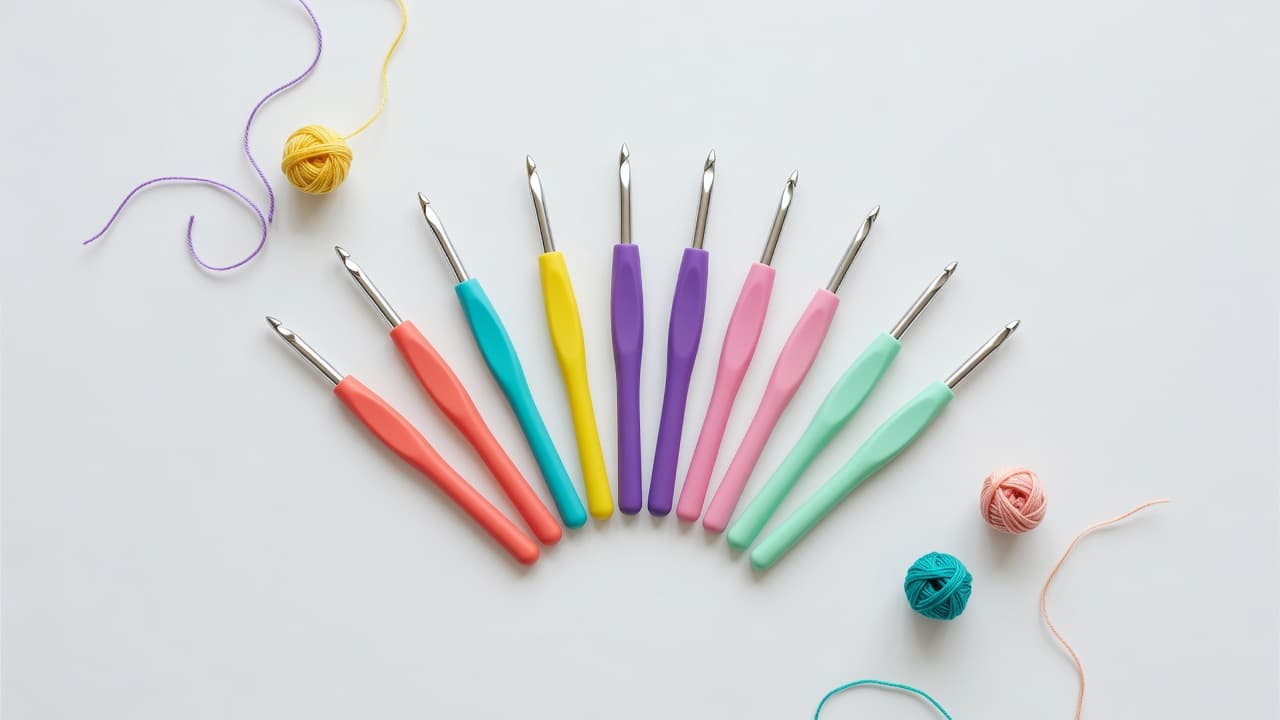
Look for a comfortable grip handle made from soft rubber, TPR, silicone, or smoothly contoured wood. Wooden handle hooks can feel warm and natural, while a flat thumb rest gives your thumb a stable place to land. A textured or matte surface helps prevent slipping, but hard glossy plastic may require more pinching when your hands are tired.
The tip, throat, shaft, and handle make up basic crochet hook anatomy. A smooth throat and tip support smooth yarn glide, while inline crochet hooks offer one head style to compare with tapered shapes without being universally better.
A thicker grip is not automatically better. A handle around 12 mm or wider is a useful starting point, but the right size is the one that lets your fingers stay loose.
Lightweight ergonomic hooks often feel best when thumb joints hurt. However, some crocheters with wrist discomfort prefer a slightly heavier, balanced handle because it feels stable during repeated motions. Personal comfort beats package claims every time.
Best Crochet Hooks for Arthritis and Hand Pain
There isn't one perfect hook for every hand. These ergonomic crochet hooks offer different comfort options, not medical solutions for every kind of pain.
Clover Amour crochet hooks for everyday hand fatigue
Clover Amour hooks have a soft elastomer handle and a smooth aluminum hook. Their moderate width feels substantial without becoming bulky, and the light weight can help reduce finger tension.

They are a strong first option for general hand discomfort, mild stiffness, and extended crochet sessions with worsted or DK yarn. Small-to-mid-size Clover Amour sets commonly include 2.0 mm through 6.0 mm sizes, though you should check current listings before ordering.
Their main drawback is cost if you need a full collection. The colors help identify sizes, but rely on the stamped size if eyesight is an issue. A detailed Clover Amour comfort review explains why many crocheters favor their handle shape.
Tulip Etimo crochet hooks for thumb comfort
Tulip Etimo Rose hooks pair polished aluminum tips with cushioned, tapered handles. These tapered crochet hooks suit a pencil grip and provide the thumb with a broader contact area than a plain metal hook.

This line may be worth testing if discomfort gathers near the thumb base or between your thumb and index finger. Sets often include 2.0 mm through 6.5 mm sizes. Availability varies, and the pink finish won't appeal to every maker, but the smooth glide and refined shape have a loyal following.
Furls crochet hooks for a steadier wrist position
Furls crochet hooks have a larger, sculpted handle that may reduce the urge to squeeze. The rounded shape can work well for some knife grip crocheters, as it fills the palm and supports a more relaxed hold.
The tradeoffs are real. Furls hooks cost more than standard ergonomic sets, and their larger shape may feel awkward if you prefer delicate, lightweight tools. Some styles also weigh more than a Clover or Tulip hook. Buy one size you use often before committing to several.
Addi Swing crochet hooks as another handle shape
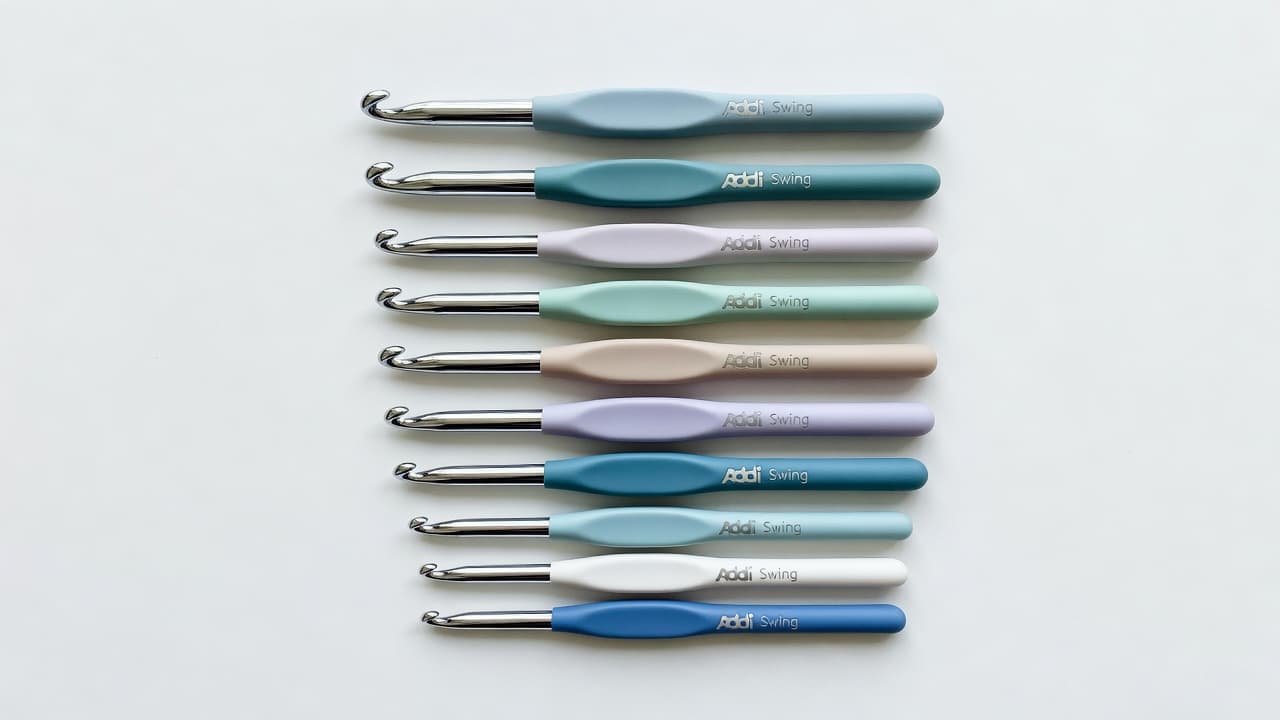
Addi Swing crochet hooks have a curved handle that may suit crocheters who prefer a different palm position. They are another handle shape to test, though availability, sizing, and personal fit can vary.
Lower-cost soft-grip sets
Budget options such as Boye ergonomic crochet hooks and Yarniss ergonomic crochet hooks can help you test different sizes and handle thicknesses. Quality varies, so inspect the aluminum hook tip for rough edges and check that the grip doesn't rotate.
Some sets use a removable or integrated cushion grip handle. A low-cost set makes sense when you are unsure which shape suits you. Still, a smoother premium hook may require less force with splitty yarn. This comparison of cushioned crochet hooks offers another perspective on soft-grip options and everyday use.
How to Choose the Most Comfortable Crochet Hook for Your Hands
When you notice thumb and finger strain, try reducing excessive pinching with a wider, lighter handle and clear thumb rest. If your wrist aches, a balanced or slightly heavier handle may reduce the effort of controlling the hook.
Your grip style also changes the answer. A pencil grip can concentrate pressure at the thumb and first finger. A knife grip often shares effort with larger hand muscles, although it can still strain the wrist if you bend it sharply.
Use a simple test before buying a set:
- Crochet with one hook for about 10 minutes using your usual yarn and stitch.
- Notice when discomfort begins and where it appears.
- Rest, then try a second handle shape with the same yarn.
- Choose the hook that leaves your hand looser after the test.
Compare the hook head, too. Inline crochet hooks have a different head shape that can affect how easily the yarn catches. Your preferred shape may depend on your yarn, stitch style, and personal comfort.
Hook size and yarn matter as much as the handle. Tiny hooks, tight tension, and cotton yarn can make hands work harder. Try relaxed yarn tension, or practice with larger yarn and an appropriate hook to allow more comfortable movement.
Left-handed crocheters should also check whether the handle feels equally comfortable when turned in the opposite direction. A symmetrical grip usually works best. Budget options such as Yarniss ergonomic crochet hooks should be tested individually before you purchase a full set. If you use only a few common sizes, buy individual hooks first. A full set offers better value once you know the handle shape agrees with your hands. Many crocheters also find that a relaxed grip reduces wrist strain more than switching hooks alone.
Gentler Crochet Habits That Reduce Hand and Wrist Strain
An ergonomic hook helps most when your overall setup supports your body. Hold the hook securely, but don't squeeze it. If your knuckles turn pale or your thumb presses firmly into the handle, ease your grip.
Support your project with a pillow or armrest so its weight doesn't pull on your working wrist. Warm your hands with a mug, warm water, or gentle movements before you begin. Then take a short break every 15 to 20 minutes, before discomfort builds.
During each pause, slowly open and close your fingers, spread them into gentle fans, and make small wrist circles. Stretch only as far as feels comfortable. Never force a painful movement or work through tingling.
Shorter sessions can help keep a favorite hobby enjoyable. On sore days, choose a simple repeat with larger yarn and easy stitches. Skip tight amigurumi or dense stitch patterns when your hands need extra care. A beginner-friendly project with clear left- and right-handed guidance can also reduce the frustration that makes your hands tense.
Find the Hook Your Hands Can Relax Around
Clover Amour is a sensible first trial for general hand fatigue. Tulip Etimo crochet hooks may feel better with a pencil grip when your thumb base complains. Furls crochet hooks offer a steadier handle, but their weight and price may not suit everyone.
Judge every hook by its grip width, material, weight, and how your hand feels after a short session. Comfortable crochet comes from small adjustments, regular breaks, and projects you can enjoy without pushing through pain.

Frequently Asked Questions
Can ergonomic crochet hooks cure arthritis pain?
No. An ergonomic hook may reduce the force needed to grip and turn the hook, but it doesn't treat arthritis or another medical condition. Persistent symptoms deserve medical advice.
Are wooden crochet hooks better for sore hands?
Some people enjoy wood because it feels warm and less slippery than metal. However, wooden hooks can create more friction with certain yarns, so they aren't always easier on the wrist.
Should I use a hook grip attachment?
A removable silicone or foam grip is a low-cost way to test a wider diameter. It can work well on a favorite hook, but check that it stays secure and doesn't create a bump where your thumb rests.
Is a lighter crochet hook always better?
No. Light hooks often help with thumb pain and fatigue. Yet a slightly heavier, stable handle can feel easier to control when wrist pain is the main issue.
Can tight crochet tension cause hand pain?
Yes. Tight tension often makes you pull harder and pinch the hook more firmly. Try going up one hook size for a practice swatch and see whether your hand relaxes.

Christa Patel is a crochet teacher and creator behind Secret Yarnery. She helps crocheters build skills, choose practical tools, and enjoy projects with more confidence. Her beginner-friendly guidance focuses on clear methods, comfortable crochet habits, and simple solutions that make crafting more enjoyable.
About the Author

With a passion for crafting easy, beginner-friendly tutorials and patterns, Christa inspires crafters of all skill levels to unleash their creativity worldwide. She encourages yarn lovers to connect, create, and crochet a world filled with beautiful handmade treasures!
Best Crochet Hooks for Arthritis and Hand Pain Guide 2026


