

How Much Yarn Do I Need for a Crochet Project?
Running out of yarn with six rows left can spoil an otherwise happy project. Buying too much can feel wasteful, especially when an unused skein has a different dye lot.
Your yarn needs come down to four details: pattern yardage, the ball band, yarn weight, and an honest gauge swatch. Together, they provide a reliable starting estimate for scarves, a crochet blanket, hats, shawls, garments, and small handmade gifts.
Key Takeaways
- Start with the pattern's total yardage, then divide it by the yardage in one skein to calculate the number of skeins of yarn. This formula also works for a crochet blanket.
- Round up and keep extra yarn for swatches, a border, size changes, or unexpected adjustments. A crochet blanket may need more depending on its size and border.
- Hook size, tension, stitch pattern, fiber thickness, and finished dimensions all affect yarn consumption.
- Check the ball band and use the same measurement, either yards or meters. A crochet yarn calculator offers a secondary estimate, but compare yardage when substituting double knit yarn.
- For custom estimates, weigh a swatch or sample on a kitchen scale and track the stitch count and rows. Then estimate usage by area or weight.
How to Calculate Crochet Yarn Requirements
When a crochet pattern provides yardage, use that number first. Divide the total yards required by the yards in one skein, then round up to a whole number of skeins of yarn.
The basic formula is:
Total yards needed / yards per skein = skeins to buy
Add about 10 to 15 percent extra yarn before shopping. This cushion covers a test swatch, a wider border, a missed calculation, or a slightly larger crochet blanket. Crochet often uses more yarn than knitting for a similar item because crochet stitches build a thicker fabric.
A pattern's skein count works only when you use the exact yarn listed. If you substitute yarn, compare total yarn yardage instead. Check the ball band for the listed yardage and yarn weight. For example, double knit yarn may not match a pattern written for worsted weight, even when the skein sizes look similar.
A crochet yarn calculator can help when you need a quick second estimate.
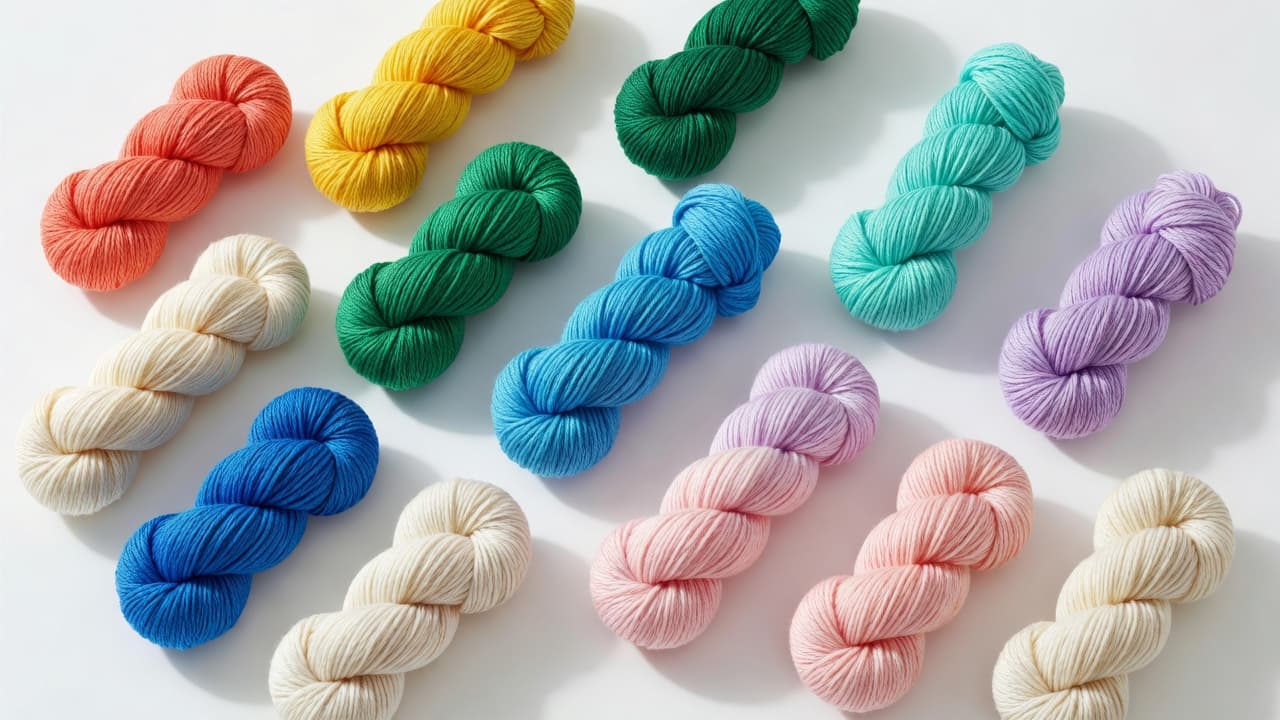
Typical Yardage for Popular Crochet Projects
These ranges are useful starting points, not promises. Yarn weight, stitch choice, and final measurements can move the number up or down.
| Crochet project | Typical yarn estimate |
|---|---|
| Adult scarf | 250 to 600 yards |
| Hat | 120 to 300 yards |
| Baby blanket | 800 to 1,600 yards |
| Throw blanket | 1,750 to 3,750 yards |
| Adult sweater | 1,000 to 3,500 yards |
| Amigurumi toys | 200 to 400 yards or less |
A standard worsted weight scarf may use 300 to 500 yards, while an oversized ribbed scarf can need far more. A crochet blanket with simple stitches may use less than one with dense texture. Similarly, an open shawl can fit in one generous yarn cake.
The one-ball crochet shawl tutorial uses 340 total metres of DK-weight yarn, or about 372 yards. This shows why meterage matters more than a vague label such as "one ball."

Why Yarn Weight and Project Size Change the Estimate
Yarn weight affects how much area each skein covers. Fine yarn needs more yards to cover the same area than bulky yarn. However, that does not always mean a fine-yarn project costs more. Bulky yarn skeins often have fewer yards, so you may still need several skeins.
Project dimensions matter just as much. A 30-by-36-inch baby blanket is much smaller than a 50-by-60-inch throw. Sleeves, pockets, hoods, tassels, blanket borders, and colorwork add more yarn. A granny square design may also require extra yarn for joining and edging.
Stitch count and the chosen stitch pattern influence consumption. Textured stitches such as bobbles and post stitches use more yarn than open mesh. Dense single crochet generally uses more yarn than double crochet, while half double crochet falls between them in height and coverage.
A border can use a surprising amount of yarn, especially when it has several rounds or a bobble finish.
How to Calculate Crochet Yarn Requirements From a Pattern or Label
Before counting skeins, check the crochet pattern for its total yardage. Suppose a sweater pattern calls for 1,200 yards, and your chosen yarn has 220 yards per skein.
1,200 / 220 = 5.45
Round that result to six skeins. For a fitted garment, a discontinued yarn, or a project with long sleeves, buying a seventh skein is sensible. Keep it unopened, along with the receipt, until you finish.
Compare the pattern's measurement with your label's meterage. One yard equals 0.9144 meters. Never divide meters by yards without converting first.
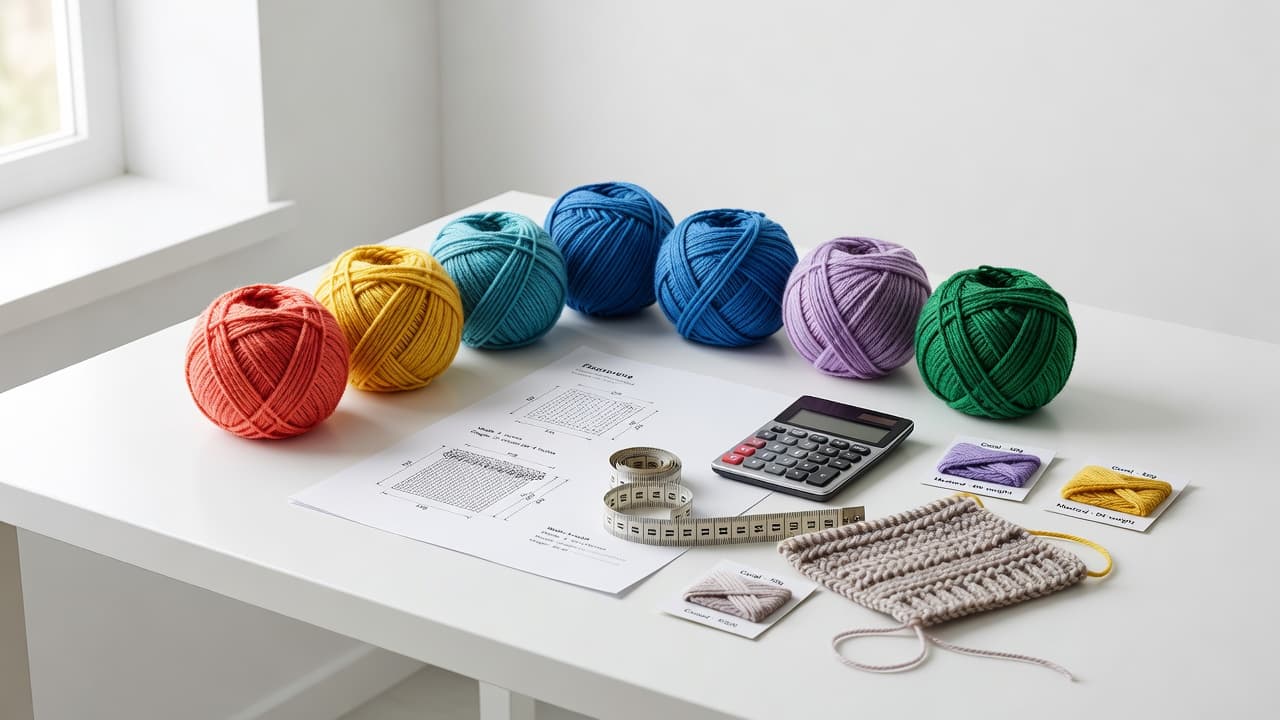
Check the Pattern's Yardage Before Counting Skeins
Pattern yardage is more reliable than copying the listed skein count. First, check which size the estimate covers. A small tunic and a custom-fit, longer tunic may require very different amounts.
A crochet blanket pattern may list different amounts for each size. The estimate also depends on stitch count, gauge, hook size, and the stitch used. For example, half double crochet may consume yarn differently from a more open stitch pattern.
Also compare the stated fiber, hook size, colors, stitch pattern, and finishing instructions before substituting yarn. A corner-to-corner gingham crochet blanket needs careful planning for color changes and its bobble border. Tassels on a wrap can also use more yarn than expected.
Use the Yarn Label to Compare Different Skeins
The yarn label, often called the ball band, gives you the numbers that matter: yards or meters per skein. It also lists the fiber content, recommended hook size, and weight category.
Two 100-gram skeins can contain dramatically different yardage. Cotton, wool, acrylic, and blends vary in thickness and density. Therefore, skein weight alone can't tell you how much coverage you'll get. When substituting double knit yarn, compare its yardage with the pattern's requirement instead of copying the skein count.

A crochet yarn calculator can help when your replacement yarn has a different ball size. Use the label's yards or meters, and compare matching units whenever possible.
How to Estimate Yarn When a Pattern Gives No Yardage
For an original design, altered pattern, or made-to-measure garment, a gauge swatch gives the most dependable estimate. Use the same yarn, hook, stitch pattern, and tension planned for the piece.
Measure the swatch, then record how much yarn it used. You can measure the yarn before and after, but weighing the swatch on a kitchen scale is often easier.
Use this formula for flat pieces:
Project area / swatch area x yarn used in the swatch
A crochet yarn calculator can provide a helpful estimate. Your own swatch still reflects your hook and tension more accurately.
Estimate by Area for a Crochet Blanket and Flat Projects
Measure your project dimensions, including the planned length and width. A 40-by-50-inch crochet blanket has an area of 2,000 square inches. If a 10-by-10-inch swatch uses 18 yards, its area is 100 square inches.
Divide 2,000 by 100, then multiply by 18. That gives 360 yards for the body. Add yarn separately for blanket borders, stripes, granny-square joins, and a 10 to 15 percent cushion.
For larger projects, use a detailed crochet blanket yardage guide alongside your swatch. Several colors require more allowance for joins and unused short lengths.
Estimate by Stitch Count for Small or Shaped Projects
Area does not work well for round amigurumi toys, bags, motifs, or oddly shaped garments. Instead, crochet a sample section and record its stitch count and number of rows.

Dense single crochet uses more yarn than open double crochet or half double crochet. Bobbles, puff stitches, and heavy texture raise the total again. Leave a larger reserve when the piece has complex shaping or many joined parts.
How to Buy Enough Yarn Without Wasting Money
Buy all your main-color yarn from the same dye lot whenever possible. Check the ball band before buying to confirm the dye lot, since shades can vary between batches.
Before you begin, check whether the store has enough stock for your project, especially for a large crochet blanket. Buying extra yarn is wise for blankets, sweaters, colorwork, and hard-to-replace yarn. Keep your receipt and any unopened skeins until the finished project is washed, blocked, and complete.
Leftovers rarely go to waste. They can become a contrasting border, repair yarn, a future swatch, granny squares, flowers, or small accessories.
Plan for Gauge, Tension, and Design Changes
Tension affects both size and yarn use. Loose stitches and a larger hook can make fabric grow beyond the intended dimensions. Tight stitches may use less yarn per row, yet you may need more rows to reach the planned size.
Finish and measure a tension sample before calculating yarn for a custom garment. A kitchen scale can help compare the amount used in your sample. A crochet yarn calculator can offer a useful cross-check, but it shouldn't replace the pattern's stated amount.
Blocking can also change the final width and length, especially with wool, lace, and open stitches. Plan for design changes too, since blanket borders can consume more yarn than expected.
Avoid Common Yarn-Planning Mistakes
Generic yarn charts are useful guides, but they can't replace the amount listed by the pattern or the results from a sample. Common mistakes include:
- Forgetting to check which pattern size the yarn estimate covers.
- Confusing a skein's weight, such as 100 grams, with its actual length.
- Skipping borders, tassels, pockets, and joining yarn in the calculation.
- Assuming every brand in the same worsted weight category has equal yards per skein.
- Underestimating how much yarn a crochet blanket may need for borders and finishing.
- Ignoring the additional yarn lost to color changes, short ends, and mistakes.

Finish With Yarn You Can Trust
For a crochet blanket, start with the pattern’s yardage, compare it with the amount on your chosen yarn label, and round up. A 10 to 15 percent cushion helps cover small changes and unexpected use.
When no reliable estimate exists, a personal swatch gives you useful information about your hook and tension. Keep your notes with it, and future estimates will come faster when you have a finished project to reference. You’ll answer How Much Yarn Do I Need for a Crochet Project much faster next time.
Frequently Asked Questions
Should I buy a spare skein for a crochet blanket?
Yes, especially for a throw or bed-size blanket. Buy an additional skein when the yarn has dye lots, the border is undecided, or the design includes color changes. Large blankets are difficult to match later.
Can I use yarn with the same thickness but fewer yards?
You can, but you will need more skeins. Match the fiber and thickness as closely as possible, then calculate using the total yards rather than the pattern's skein count. A crochet yarn calculator can provide a quick estimate, but it cannot replace the information on the label or a sample swatch.
How much yarn do tassels need?
It depends on their length, thickness, and number. Make one tassel first, measure the yarn it uses, then multiply by the number you plan to add. Allow a little more for trimming.
Does cotton yarn go farther than acrylic yarn?
Neither fiber automatically goes farther. Compare the yards listed on each label, because yarn construction and thickness affect coverage more than the fiber name.
What if I run out of yarn near the end?
Check local stores and online retailers for the same dye lot first. If you cannot find it, use a deliberate contrasting color for the border, cuffs, pocket trim, or final rows so the change looks planned.

Christa Patel is the founder and crochet instructor behind The Secret Yarnery. She creates beginner-friendly crochet tutorials, free patterns, and practical tips that help makers crochet with more confidence.She has spent years teaching crocheters through her YouTube channel, live chats, and written tutorials. Her advice focuses on clear methods that work in real projects, from choosing yarn and checking gauge to finishing blankets, garments, and everyday crochet pieces.
About the Author

With a passion for crafting easy, beginner-friendly tutorials and patterns, Christa inspires crafters of all skill levels to unleash their creativity worldwide. She encourages yarn lovers to connect, create, and crochet a world filled with beautiful handmade treasures!
How Much Yarn Do I Need? Crochet Yardage Guide 2026


