

What I Learned Binge-Watching Small Crochet YouTube Channels (Secret Yarnery Podcast 183)
What happens when you spend a week watching smaller crochet creators, cheering them on, and paying attention to what makes a channel feel warm and welcoming? You end up with a stack of surprising takeaways, a new make-along for the month, a sweater update (with an easier sleeve trick), and a strong opinion about audio gear.
This crochet podcast episode also comes with a real-world reminder for designers: sometimes you only find pattern copying when you go looking for new inspiration.
Crochet make-along picks: pink, headband, and a phone purse
During the Friday live chat, one color and two projects were picked for this month's make-along. The winning combo is simple and fun: pink plus a headband and a phone purse.
Pink can be any shade, and it doesn't have to be the only color. The only rule is that pink needs to show up somewhere in the finished project. That gives you lots of wiggle room, whether you love neon hot pink, dusty rose, or soft blush.
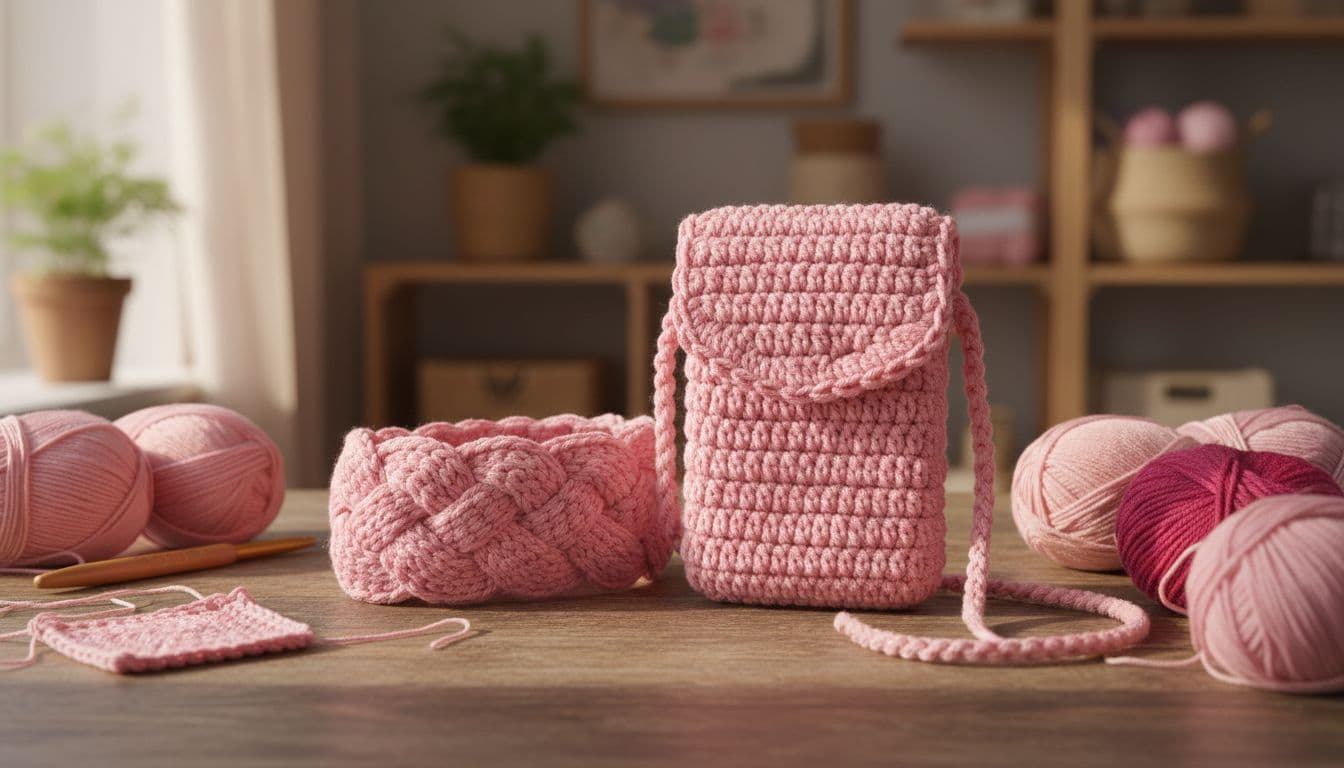
To join in, make either project (or both), then post a photo on the Secret Yarnery YouTube channel's Community tab. Go to the channel, open Community, and tap the small box that says "What's on your mind?" That's where the pictures go.
At the next live chat (the last Friday of the month), it's time to ooh and ahh over everyone's finished objects. No pressure to do both projects. Pick the one that fits your life right now, and run with it.
If you want to keep up with live chats and new tutorials, you can subscribe to Secret Yarnery on YouTube and, if you like the extra behind-the-scenes perks, join the channel membership.
Granny square sweater updates: a finished favorite and a new longer version
Wearable crochet can be wildly satisfying because it's practical, creative, and it changes how you feel when you put it on. This episode has two sweater moments: a look back at a two-granny-square sweater and a reveal of a new, longer version with a simpler sleeve method.

The two granny square sweater: simple construction, big payoff
The original sweater is a classic "how is that so cute with so little effort?" project. It's two granny squares, joined under the arm, then finished with edging around the neck and along the bottom.
A small detail makes a big difference: making the two squares match (or at least coordinate closely). That keeps the look clean and intentional, even when the colors are playful.
Sizing is also flexible. You can make it fit your body by adjusting the square size and the finishing. For sleeves, the key reminder is that crochet stretches, so stopping a little short of your full arm length can help the sleeves land where you want them later.

If you're in a sweater mood and want another beginner-friendly option, this easy 4 granny square sweater pattern is a great companion project.
A finished hat, plus the "make it match" idea
Another finished object in this episode is a hat, complete with the unglamorous but important final step: weaving in all the tails.
That naturally leads to the kind of thought every crocheter has mid-project: "Should I make one to match the sweater?" A coordinating accessory can pull the whole look together, especially when the sweater has bright, happy colors.
The new longer sweater: easier sleeves and a better fit
The newer sweater reveal is still cute and still wearable with jeans, but the construction is improved, especially around the sleeves.
Instead of overcomplicating assembly, the sleeve approach gets simpler: chain and single crochet. That's it. It also gives you more control because you can decide how much to join in the front and how much to join in the back.
The goal is comfort and stability. Nobody wants a sweater that slowly slides off your shoulders all day.
A good wearable doesn't just look cute, it stays where it's supposed to be.
If you want a heart-themed wearable, there's also a fresh option on the site: the laced-up heart granny square sweater pattern, which turns heart motifs into a shrug-style sweater with lots of sizing flexibility.

And if you like having a quick reference by your yarn bag, grab the free crochet cheat sheet.
Random acts of kindness week: why channel shoutouts felt more "real"
In past years, random acts of kindness meant leaving small crochet items for people to find. This time, the focus shifted to something that felt more authentic and more useful: shouting out smaller crochet channels that deserve more eyes on their work.
The goal was specific. The search focused on creators with under 5,000 subscribers, who were:
- actively posting (roughly two videos a month as a baseline),
- replying to comments (so it feels like a community),
- and keeping the vibe upbeat (a little oasis of fun, not a downer).
That last point mattered. People can share anything they want online, and everyone goes through hard seasons. Still, when recommending a channel to others, the aim here was light, encouraging content that feels like taking a break with a crochet friend.
It took time to weed out inactive channels, abandoned channels, and channels that didn't match the feel. After all that searching, something interesting happened: YouTube finally started recommending more small, active crochet creators automatically, once the watch history shifted.
Another real side effect showed up too. Some subscribers left during the week because they were only there for tutorials, not creator spotlights. That's the risk of changing up content, even when the intent is positive.
Going forward, the plan is to keep random acts of kindness week as its own thing, but also to add occasional mini shoutouts inside podcast episodes when a standout creator pops up.
If you're looking for a bunch of small-creator recommendations in one place, there's also this roundup post: New Small Crochet Channel to Watch Today (Episode 6).
Mini shoutout: Joshua Burggos (shorts, fresh perspective, fun vibe)
One channel popped up after the random acts of kindness videos were already scheduled: Joshua Burggos (name pronunciation uncertain).
He's newer to crochet (about a year), and that's a big part of the charm. New crocheters notice things experienced crocheters stop thinking about, like hook feel, what's confusing, what's surprisingly easy, and what's worth buying.
His content leans heavily into short-form videos, so if you enjoy crochet Shorts, subscribing means you'll likely see him in your feed regularly. The vibe is down-to-earth and relaxed, like hanging out with someone who's genuinely excited to be learning.
To find him, search YouTube for "Joshua Burggos crochet" and look for the shorts-heavy channel.

What binging small crochet channels taught me (editing, audio, and what viewers actually like)
Watching lots of small channels back-to-back is like doing a taste test. You start noticing patterns, not just in stitches, but in pacing, sound quality, and what makes you want to stay until the end.
Editing style: polished "show" vs. casual "hang out"
There was a lightbulb moment around editing. Over time, the Secret Yarnery podcast quality improved, with more structure and more polish. Some viewers loved it. Others missed the earlier feel, where it was more like sitting together and chatting.
After watching smaller channels, it made sense why. A minimally edited video can feel calmer. When someone says, "Hold on, I'm going to grab something," and they actually walk away to grab it, the viewer doesn't feel "managed." It feels like being in the room with a friend.
On the other hand, well-done editing can still feel friendly, especially when it's used in small ways (light zooms, a quick picture pop-up, a tidy cut that keeps things moving).
So the question isn't "edited or not edited." It's more like: what kind of hangout do you want?
Here are the viewer questions raised in this episode:
- Do you like frequent zooms and camera changes?
- Do you prefer a steady, unedited chat?
- Where's the sweet spot so it still feels like you're together?
There's also a practical creator note tucked into this conversation: listen to your own audio. Early on, a viewer pointed out a tongue-click habit that made tutorials hard to listen to. It stung, but it was also useful feedback, because you can train yourself out of small sounds once you notice them.
Microphone wins: after years of testing, a setup that finally works
Audio was another major takeaway. After trying a pile of microphones over a few years (and spending serious money), the surprise was that wireless mic tech has improved enough to finally feel easy.
Older setups often came with too many parts: transmitters, receivers, extra adapters, wired connections, and sometimes even additional equipment just to get it all talking to a camera and computer. When the gear feels like a chore, it's tempting to give up and "just shout" toward a stationary mic.
The standout recommendation learned during this deep dive: the DJI Mic 3 Pro (as referenced in the episode), with two transmitters, useful even for interviews or two-person chats.
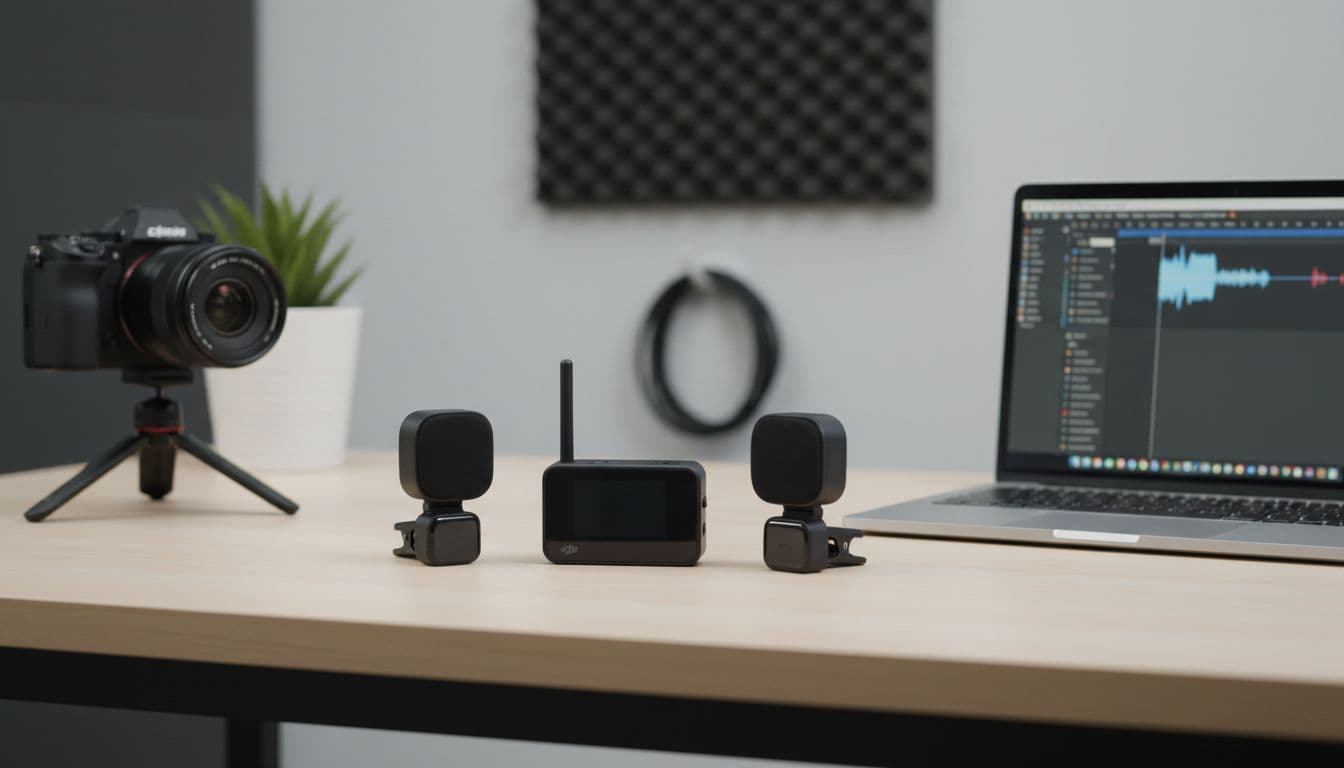
For readers who want a deeper third-party take on the mic's performance, these reviews are good starting points: WIRED's DJI Mic 3 review and Trusted Reviews' DJI Mic 3 review.
The episode also links a few practical supplies that show up in everyday crochet life: worsted-weight yarn picks, a go-to crochet hook option, and sharp-tip yarn needles.
Engagement tricks worth stealing (in a good way)
One simple idea picked up from watching other creators: the "if you're still watching" emoji prompt.
So here's the podcast version: if you made it this far, drop a beverage emoji in the comments, coffee or tea, either works.
It's small, but it's fun. It also makes comment sections feel more like a group chat, not a suggestion box.
Podcast length: the algorithm vs. real life
Another takeaway came from seeing how different creators think about episode length. One perspective mentioned in the episode: a 30-minute podcast fits neatly into a lunch break.
That idea sticks because it's about real life, not analytics. People don't always need a two-hour video. At the same time, forcing a strict runtime can make content feel padded.
The approach here stays simple: if there's a lot to talk about, the episode runs longer. If not, it's a quick pop-in with updates.
The pattern copying story that left everyone hot under the collar
The most shocking moment in this episode came from the channel deep dive itself.
While browsing small crochet channels, a video popped up that looked extremely familiar: a heart granny square that matched a Secret Yarnery design, including a distinctive approach to getting a clean center. That kind of detail doesn't usually happen by accident, especially when it's "not the usual crochet math" and took significant time to figure out.
What made it even stranger was the creator crediting Secret Yarnery in the transcript, then continuing to teach the pattern as their own tutorial content. Scrolling through the rest of the channel showed more tutorials based on other people's work.
It sparked a bigger conversation: what do you do when you find your work reposted or re-taught, especially in a space like crochet where stitches are shared, but the teaching and presentation can be original?
One detail mentioned is the copyright-strike reality on YouTube: multiple strikes can remove a channel. That raises the stakes, and it's why this kind of situation can feel messy fast.
If you want broader context on how designers think about this issue, this article is a solid overview: what crochet designers can do about intellectual property theft. There's also a long-form discussion on YouTube about myths and misunderstandings in this area: copyright and crochet design myths explained.
If you want to see the heart granny square pattern referenced, this easy heart granny square tutorial is the official step-by-step.

Conclusion: pink projects, better audio, and a reminder to protect the joy
This episode packs a lot into one chat: a pink make-along with two quick projects, fresh sweater updates with simpler sleeves, and a clear reminder that small-channel community building can be both inspiring and complicated. The biggest surprise might be the practical one, audio gear finally caught up to what creators actually need.
Now it's your turn: are you making the pink headband, the phone purse, or both, and how much editing do you like in a crochet podcast? If you're left-handed (or teach someone who is), keep this handy: Secret Yarnery left-handed tutorials.

Christa Patel is the creator behind The Secret Yarnery, a crochet teacher and YouTuber who shares beginner-friendly tutorials, wearable patterns, and cozy podcast-style crochet chats. She focuses on practical tips that help crocheters get better results with less stress, especially when it comes to fit, finishing, and making projects your own. When she’s not filming or designing, she’s building a warm, supportive crochet community that celebrates creativity, kindness, and keeping crochet fun.
About the Author

With a passion for crafting easy, beginner-friendly tutorials and patterns, Christa inspires crafters of all skill levels to unleash their creativity worldwide. She encourages yarn lovers to connect, create, and crochet a world filled with beautiful handmade treasures!
New Crochet Podcast 183: New Sweaters & Big Lessons!


